What if a single destination could take you through ancient Rome, medieval Albania and a modern Adriatic city before dinner? That is exactly what makes a Durres day trip from Tirana such an interesting experience.
Durrës is often introduced simply as Albania’s largest coastal city or as a convenient place to spend time beside the sea. However, beneath its modern streets is one of the oldest urban stories in the country. Roman ruins appear between apartment buildings, sections of ancient walls stand near cafés, and a historic amphitheatre is hidden within a neighborhood only a short walk from the waterfront.
This unusual combination gives visitors the impression of discovering three different cities at the same time. There is ancient Durrës, shaped by Greek and Roman civilization. There is the fortified medieval port that survived changing empires and attacks. Finally, there is modern Durrës, where residents walk along the promenade, fishing boats return to the harbor and visitors gather beside the Adriatic Sea.
A daily tour provides enough time to meet all three versions and understand how they became the Durrës that exists today.
Why Choose a Durres Day Trip from Tirana?
Durrës is one of the most accessible destinations from the Albanian capital. Its proximity makes it suitable for travelers who want to leave Tirana without spending most of the day on the road.
A Durres day trip from Tirana is also a practical choice for visitors with limited time. Within one experience, travelers can explore archaeology, local history, coastal scenery and contemporary Albanian life. Few destinations near the capital offer this much variety within such a compact area.
The city is especially suitable for travelers who find traditional historical tours too formal. In Durrës, history does not feel separated from everyday life. Ancient remains stand within the modern city, while restaurants, residential buildings and busy streets continue around them.
This creates a relaxed type of cultural tour. Visitors can learn about Roman engineering in the morning, walk beside medieval fortifications later and finish the experience with coffee or lunch overlooking the Adriatic.
First City: Enter Ancient Durrës
Long before Durrës became a popular coastal destination, it was known in antiquity as Epidamnos and later Dyrrhachium. Its position on the Adriatic gave it commercial and strategic importance, connecting the Balkan interior with maritime routes toward Italy and the wider Mediterranean.
The city was also associated with the Via Egnatia, the important Roman road that extended eastward across the Balkans. Goods, soldiers, officials and travelers moved through this region, helping ancient Durrës develop into an influential port.
Today, the modern city has grown around the remains of that earlier settlement. This means ancient Durrës is not located in a distant archaeological park. It is directly beneath and between the streets used by residents every day.
A guided Durres city tour helps visitors identify these historical layers. Without explanation, it would be easy to pass an archaeological site without understanding its importance. With context, the surrounding streets become part of a much larger Mediterranean story.
The Roman Amphitheatre at the Center of the Story
The Roman Amphitheatre of Durrës is the most important historical stop during many visits to the city. Constructed during the Roman period, it once hosted public spectacles and large gatherings.
What makes the amphitheatre particularly surprising is its location. Rather than standing in an isolated field, it is surrounded by the modern city. Houses and urban streets rise around the remains, demonstrating how different periods of Durrës have been built almost directly on top of one another.
Walking through the site allows travelers to imagine the size and atmosphere of ancient Dyrrhachium. Passageways, seating areas and surviving structural sections reveal how the amphitheatre was designed to control the movement of large crowds.
The monument also changed purpose over time. Within the structure, visitors can find evidence of later religious use, showing how buildings were adapted as the needs and beliefs of the city changed.
Including the amphitheatre in a Durres day trip from Tirana gives travelers a direct connection with Albania’s Roman past. It also challenges the idea that the country’s history begins only with its medieval castles or Ottoman towns.
Look for History Between the Modern Streets
The amphitheatre may be the city’s most famous ancient attraction, but it is not the only place where the past appears. Remains associated with the Roman baths, Byzantine marketplace and old defensive walls can also be found around the center.
Exploring these sites can feel like solving a historical puzzle. One fragment reveals the outline of a public space. Another demonstrates how the city was protected. Together, they help visitors reconstruct an urban settlement that once occupied a significant position on the Adriatic.
This discovery-based experience gives the article—and the actual tour—a different rhythm from a standard museum visit. Travelers move through present-day Durrës while looking for signs of the cities that existed before it.
A knowledgeable guide can connect these separate fragments into a continuous story. Instead of seeing unrelated ruins, visitors begin to understand how trade, warfare, religion and maritime travel influenced the city over many centuries.
Second City: Discover the Fortified Adriatic Port
As the Roman world changed, Durrës did not disappear. Its location remained valuable, and the city continued to serve as an important port under different rulers.
Defensive walls became essential to its survival. Sections of the fortifications visible today reflect the periods when Durrës needed protection from invasions and military threats arriving both by land and sea.
The Venetian Tower is one of the most recognizable structures connected with this fortified city. Its circular form stands near the historic center and creates an immediate visual contrast with the surrounding modern buildings.
This part of a Durres day trip from Tirana shows how the city reinvented itself. The large Roman settlement was transformed into a more heavily defended medieval and early modern port. Some structures were abandoned, others were adapted, and new defensive features were added.
By walking between the amphitheatre, city walls and tower, visitors can cross centuries of history within a relatively short distance.
The City That Refused to Remain in the Past
Durrës is not preserved as a silent historic town, and that is part of its appeal. It remains active, densely populated and closely connected with Albania’s economy and transportation.
Residents move through the same areas where ancient and medieval structures survive. Cafés stand near archaeological remains, traffic passes old walls, and modern buildings frame views of monuments constructed many centuries earlier.
This coexistence can initially feel unexpected. In many destinations, historical sites are separated from modern life by gates and large protected areas. Durrës offers a different experience because its past and present continuously overlap.
A Durres city tour is therefore not only about observing monuments. It is also about understanding how a modern Albanian city lives with the physical remains of its long history.
Third City: Meet Modern Durrës by the Sea
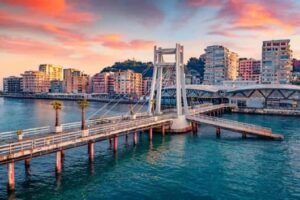
After exploring the ancient and fortified versions of the city, the waterfront introduces modern Durrës. The atmosphere becomes more relaxed as the streets open toward the Adriatic.
The seafront promenade is popular with residents and visitors, particularly later in the day. People walk beside the water, meet friends in cafés and watch the light change over the sea.
This is where a Durres day trip from Tirana becomes more than a historical excursion. The coast gives travelers time to slow down after visiting archaeological sites and listening to stories about different civilizations.
The Adriatic has always been central to the city’s identity. It brought traders, travelers, soldiers and new cultural influences to ancient Durrës. Today, the same sea supports tourism, fishing, transportation and the social life of the waterfront.
Looking across the water toward Italy also helps explain the city’s wider Mediterranean connections. Durrës may be located in Albania, but its history has always extended beyond Albania’s present borders.
History in the Morning, Adriatic Flavors at Lunch
Durrës is an appropriate destination for travelers who connect places with food. As a coastal city, it is known for restaurants serving fish and seafood, although traditional Albanian meat, vegetable and dairy dishes are also widely available.
Lunch beside the sea can provide an enjoyable contrast to the morning’s historical exploration. Travelers move from underground passages and ancient stones to an open waterfront filled with the smell of the sea.
Fresh fish, grilled seafood, seasonal salads and locally prepared dishes can all form part of the experience. The exact menu depends on the restaurant and season, but choosing a coastal specialty helps connect the meal with the destination.
Food also provides time to observe the pace of local life. A successful Durres tour from Tirana should not feel like a race between monuments. A relaxed meal or coffee allows visitors to experience Durrës as a living city rather than only a collection of attractions.
A Durres Day Trip from Tirana for History Lovers
History enthusiasts will find more in Durrës than they might expect from a destination commonly associated with beaches. The city offers visible evidence from ancient, Roman, Byzantine, Venetian and later periods.
The most interesting part is not simply the age of these monuments. It is the way they overlap. An amphitheatre was adapted for later religious use. Defensive walls were repaired or expanded by different authorities. Modern streets developed around ancient foundations.
These layers make Durrës valuable for travelers who want to see how cities change rather than visiting one monument from one historical period.
A guide can make these transitions clearer, connecting the objects and structures encountered throughout the center. This turns the tour into a continuous narrative rather than a sequence of disconnected stops.
A Durres Day Trip from Tirana for Coastal Travelers
Visitors who are more interested in the coast can still enjoy the city’s historical character without dedicating the entire day to museums and ruins.
The waterfront creates opportunities for walking, photography, lunch and views across the Adriatic. Depending on the selected itinerary and season, a tour may also provide time near the beach or combine the historical center with another coastal stop.
Summer offers the strongest beach atmosphere, while spring and autumn can be more comfortable for walking through the archaeological areas. Winter provides a quieter view of the city and a chance to experience the waterfront without the busiest seasonal crowds.
This flexibility makes Durrës suitable for different types of travelers. The same destination can feel like an archaeological excursion, a coastal escape or a combination of both.
Is Durrës Worth Visiting When Staying in Tirana?
Durrës is worth visiting for travelers who want to add history and the Adriatic coast to a stay in the capital without planning a long journey.
Tirana presents the energy of modern Albania, while Durrës reveals the country’s ancient Mediterranean connections. Experiencing both cities creates a more complete understanding of Albania.
The relatively short journey also makes a Durres day trip from Tirana suitable for visitors who have only one available day. They can leave the capital in the morning, explore the principal sights, enjoy the coast and return without changing accommodation.
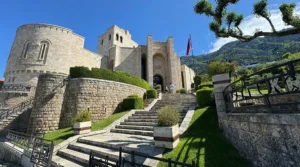
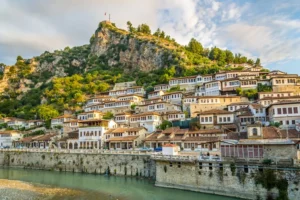
Durrës may not have the Ottoman hillside appearance of Berat or the mountain fortress atmosphere of Krujë, but it offers something those destinations cannot: the combination of Roman archaeology and an active Adriatic port.
What to Know Before Your Durres Day Trip from Tirana
Durrës is generally easy to explore on foot once visitors reach the historic center. Comfortable shoes are still recommended because archaeological sites can contain steps and uneven surfaces.
During summer, sun protection and water are important. The coastal humidity can make warm days feel hotter, while the open waterfront provides limited shade in certain areas.
Travelers should also check which entrance fees and attractions are included in their selected tour. Archaeological sites, museums and itinerary details may have different opening conditions, particularly outside the main travel season.
If the tour includes free time beside the sea, visitors can bring suitable clothing according to the season. However, they should confirm whether the itinerary includes beach time rather than assuming it forms part of every historical city tour.
Why Book a Guided Durres Tour from Tirana?
Durrës can be reached independently, but transportation alone does not reveal its story. Many of its historical remains are integrated into the modern city, and their significance is not always clear without explanation.
A guided tour connects the amphitheatre, walls, tower, archaeological remains and waterfront into one understandable journey. It also removes the need to organize transport, locate each site and manage the return to Tirana.
For travelers who value both convenience and historical context, booking a guided Durres day trip from Tirana is an efficient way to experience the destination.
The guide’s role is especially valuable in a city with so many overlapping periods. A simple section of stone may belong to a much larger story involving Roman engineering, Byzantine defense or the city’s role as an Adriatic port.
Experience Durrës with Sunny Days Albania
Durrës is a city that changes every few streets. One moment, visitors are standing inside the remains of a Roman amphitheatre. Soon afterward, they are beside medieval fortifications. By the end of the experience, they may be enjoying Adriatic views from the modern waterfront.
This movement between different historical identities is what makes the city exciting. Durrës does not ask visitors to choose between culture and relaxation. It provides both within the same destination.
A Durres day trip from Tirana with Sunny Days Albania offers an opportunity to see beyond the city’s reputation as a summer beach destination. It reveals an ancient settlement, a strategic port and a modern coastal community existing together.
Come for the Roman amphitheatre, stay for the Adriatic atmosphere and return to Tirana having discovered three versions of Durrës in one unforgettable day.